Slaughterhouses of Muscat Municipality terminate its readiness for receiving the month of Ramadan
- Assigning (25) extra butchers to slaughterhouses for the acceleration of work.
- Extending the working hours in slaughterhouses to 11 hours a day.
- Conducting intensive preemptive procedures to prevent diseases that may infect the livestock and providing a specialized medical staff for the veterinary examination.
Written by: Mahbobah Al-Sabahi
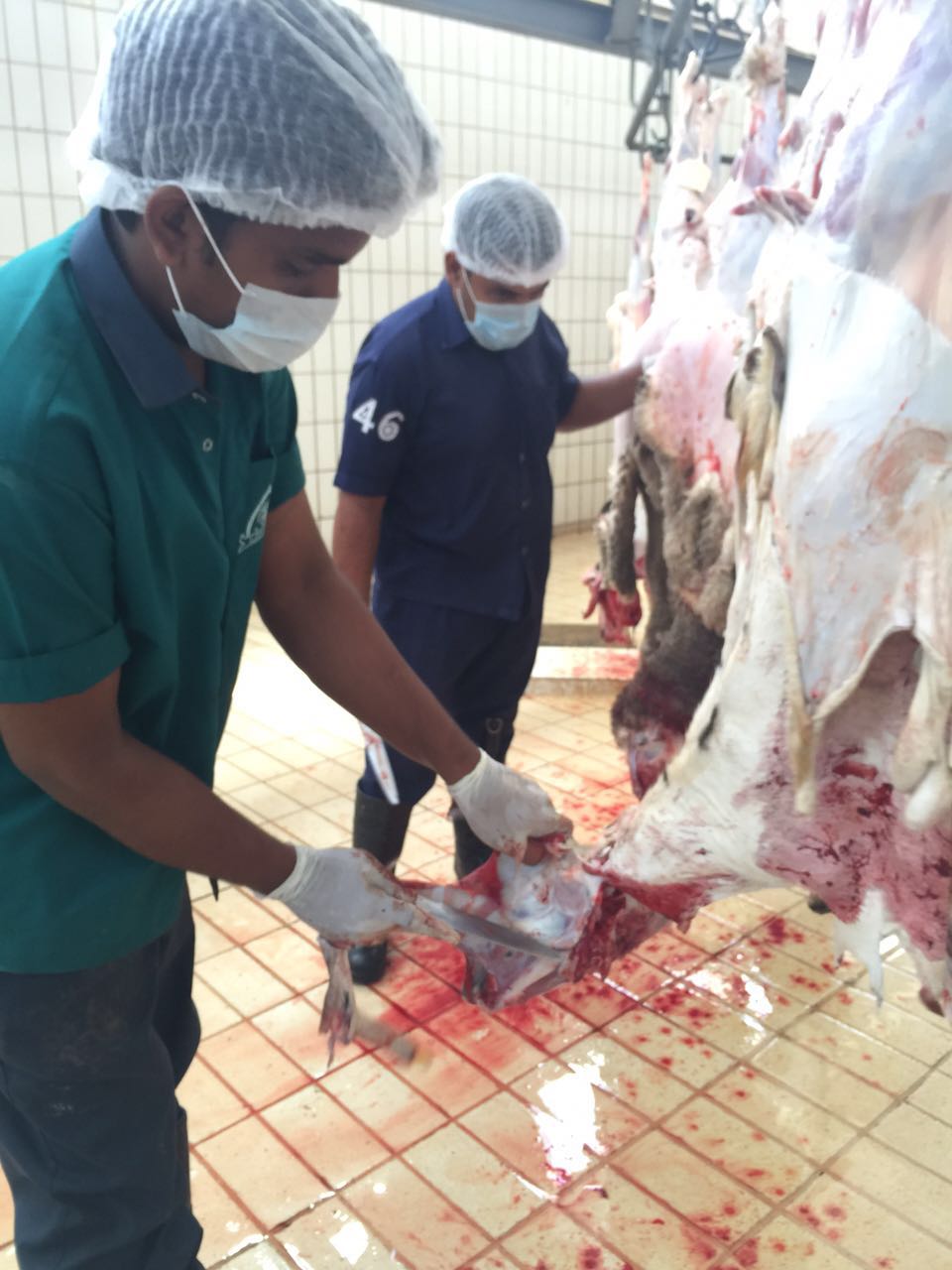
The slaughterhouses Department of Muscat Municipality terminated its readiness to receive the Holy month of Ramadan by equipping the central slaughterhouse in Bowshar and the temporary slaughterhouse in Seeb through carrying out the needed maintenance for equipments and devices in the working hall such as electrical saws, cranes of sheep and cows, cooling chambers, waiting rooms for visitors, as well maintaining the public utilities and organizing the external area for roads and parking.
To face the work stress in the Holy month of Ramadan, the Department has assigned (25) butchers with temporary contracts besides the permanent butchers in the slaughterhouse for the acceleration of work in slaughtering livestock, keeping the customers out of waiting hours and providing a high-quality service. The department also ensured the availability of sufficient numbers of livestock in the Central slaughterhouse, held several coordination meetings with some livestock traders in order to discuss the importance of providing and diversifying the supply of livestock during the Holy month without any deficiency.
The department of slaughterhouses extended and distributed the working hours for two shifts. The central slaughterhouse in Bowshar starts from 8.30 am to 5.00 pm, which is dedicated to individuals only; the night shift starts from 10.00 pm to midnight, while the working hours in the temporary slaughterhouse in Seeb has been identified from 9.00 am to 5.00 pm.
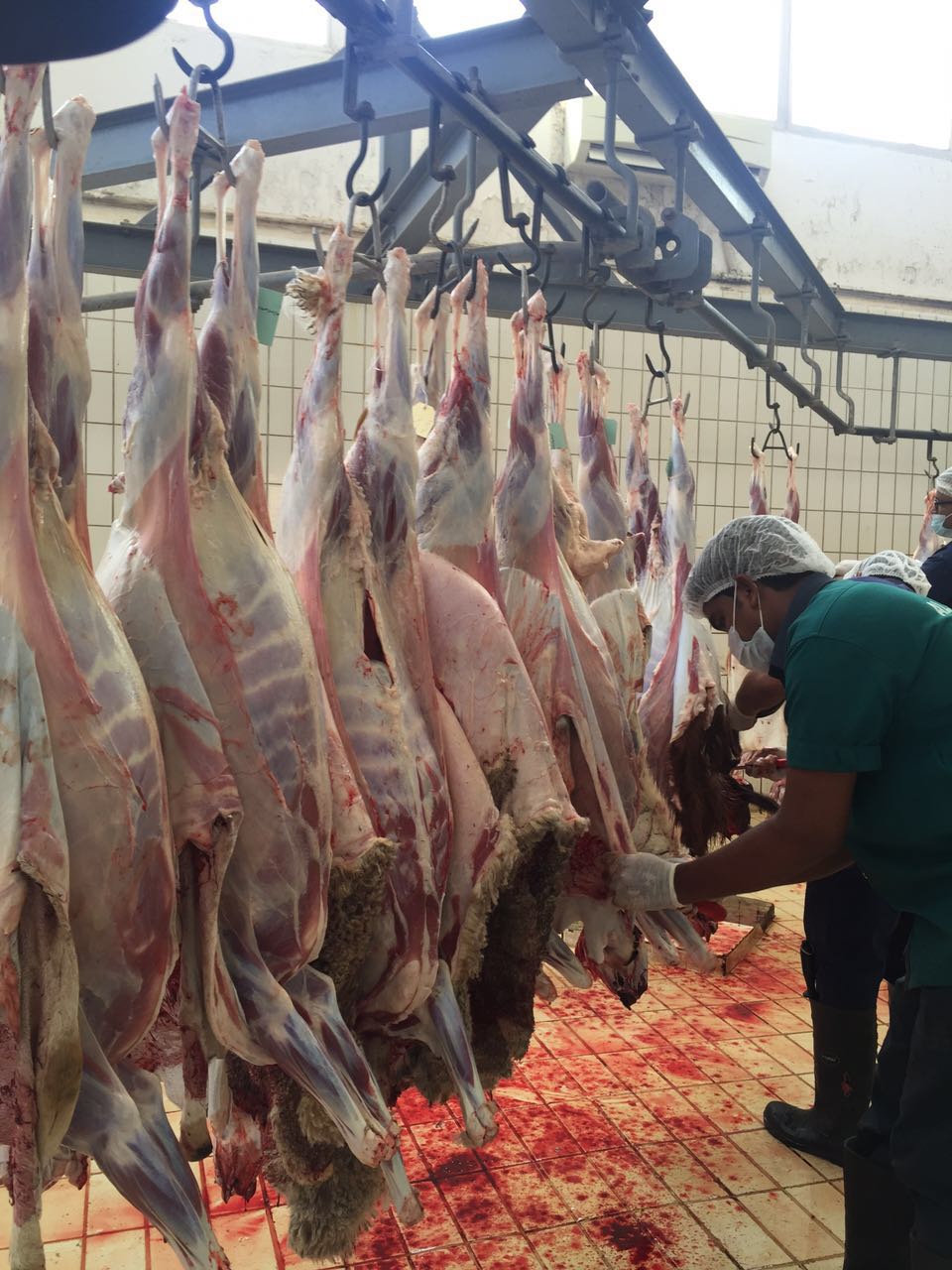
Muscat Municipality renews calling consumers the importance of slaughtering in slaughterhouses to ensure their families` health and safety, and avoid infections transmitted from animals to humans such as hemorrhagic fever; which is a dangerous viral disease affecting humans and one of the dangerous common diseases transmitted by the bite of ticks insects carrying disease to humans, blooded direct contact, or animals tissues infected during slaughtering immediately or after causing dangerous hemorrhagic symptoms lead to death.
The department of slaughterhouses warns the gravity of this disease because its clinical symptoms do not appear in the infected livestock. Slaughter is preferred in slaughterhouses; therefore Muscat Municipality provided an integrated team of veterinarians who handle the veterinary examination task for livestock before and after slaughtering ensuring the safety of consumer and his family due to such diseases. The Municipal handles providing healthy environment to livestock barns, periodical integrated cleaning and rinsing to the floors and spraying them by pesticides, ensuring the elimination of pathogens that may infect livestock.
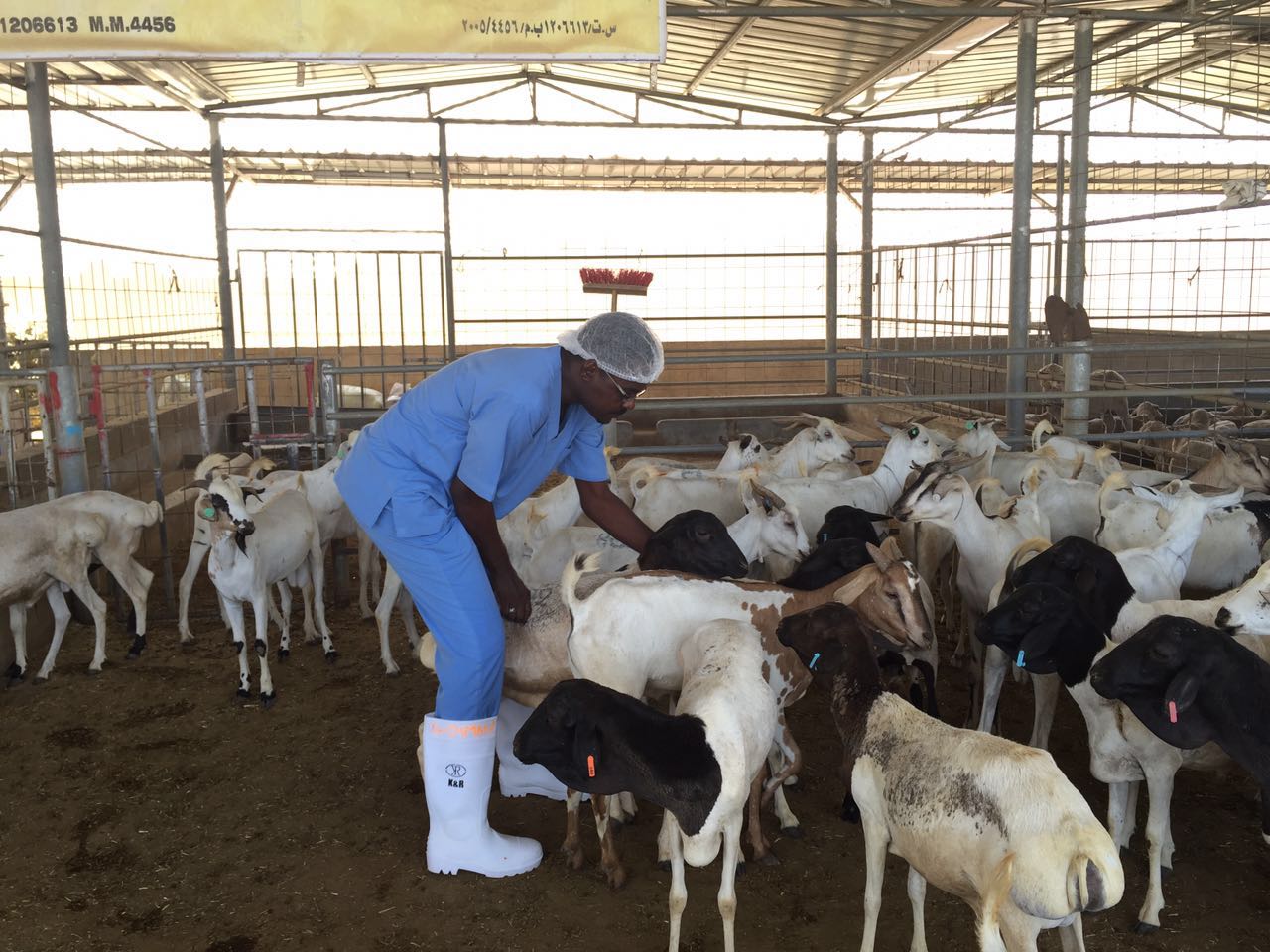
From this side, the department of slaughterhouses calls citizens and residents making sure the health and safety of livestock in purchasing, free of any sores or wounds or virtual tumors and the absence of secretions in nose or eye, and free of ticks as essential; as general livestock must be appear in full health not scrawny or lame. It recommended following the correct preventive methods in dealing with infected animals, not touching or crushing ticks if founded in animals bodies and avoiding the accommodation at whereabouts of ticks in order to avoid its bite; because it is an active carrier of diseases.